𝙏𝒊𝙜𝒓𝙖𝙮 𝑾𝙚𝒆𝙠𝒍𝙮 𝘿𝒊𝙜𝒆𝙨𝒕 | July 5 – July 11, 2025
By UMD Media
Published
Last updated
6 min read
0 viewsEFFORT: From Economic Hope to Political Battleground
A brief story on how a once strategic concept of development is floundering.

The Endowment Fund for the Rehabilitation of Tigray (EFFORT) has long stood as Tigray’s largest industrial network. Encompassing over 16 companies, it was at one time second only to MIDROC nationwide. These enterprises operated across sectors such as manufacturing, construction, agriculture, and pharmaceuticals—directly employing more than 30,000 people. EFFORT’s broader contribution was also clear: it expanded industrial capacity, built technical expertise, and catalyzed economic activity across the region. Through the branches it opened, and the head offices it ran across the country, it has done likewise, if not to the same degree, in other regions as well.
The decision to create EFFORT as an endowment fund was a pioneering step. At the time, the idea of an endowment existed only in theory within Ethiopia’s Civil Code for the entire period since the coming to power of the Derg in 1974. Yet, TPLF leaders found a way to give it life. Most of these companies had originally been wartime businesses based in Sudan. Incidentally, I had the opportunity, as Head of the Tigray Bureau, to oversee their registration under the Ethiopian Commercial Code—marking a transformation from ad hoc wartime ventures into formal, regulated corporate entities.
Significantly, the TPLF could have simply divided these assets among its members or used them as political patronage. Instead, it opted for a strategic path: to establish companies under a public endowment. The same leadership also supported its sister organizations, the Amhara National Democratic Movement (ANDM) and the Oromo People’s Democratic Organization (OPDO), by providing seed capital and technical guidance to launch similar enterprises in their respective regions. As a matter of fact, while companies linked to the TPLF drew regular political fire, their counterparts in Amhara and Oromia escaped such scrutiny. Ironically, those enterprises grew rapidly and eventually rivaled EFFORT in size and influence.
Yet from the start, EFFORT’s governance had deep flaws. The TPLF kept the companies under tight political control. Senior politicians often led them, and a good number of key management positions were filled based on loyalty rather than merit. This fueled public suspicion. Their closeness to the ruling party made them a target for criticism.
As a court-appointed member of the Trustee Board overseeing EFFORT companies following the 2020 war, I had the opportunity to observe their internal operations firsthand. Contrary to widespread belief, these companies were largely compliant: they paid taxes, repaid loans, and adhered to foreign exchange regulations. They were not, as often claimed, recipients of undue government favor. Nonetheless, facts alone did not shape the narrative. The prevailing view that these companies were politically dominated cast a shadow over their legitimacy. Opposition groups routinely portrayed them as symbols of partisan privilege under the EPRDF. Yet one reality remains hard to dispute: the complete control of the endowment fund by the ruling party, by simple logic, bolstered its economic strength—directly or indirectly enhancing its electoral advantage and capacity to reward loyalists.
That said, they were far from dysfunctional. In fact, many were dynamic and fast-growing. Sur Construction, for instance, played a key role in Ethiopia’s infrastructure expansion—building roads and bridges in extremely difficult terrain, often at cost. One particularly productive period came under the leadership of Azeb Mesfin, wife of the late Prime Minister Meles Zenawi.
Still, the consistent presence of political heavyweights in top leadership, and the prioritization of political loyalty over technical skill, was a governance flaw. It likely caused inefficiencies and undermined innovation in certain areas. However, I do not think these companies were less efficient than the average Ethiopian enterprise, and not all their managers were political appointees. That distinction must be recognized.
In 2019, a serious effort began to democratize ownership. I am a witness to this effort. Representing a U.S.-based Tigrean investment group, I signed a Memorandum of Understanding with EFFORT’s CEO, Beyene Mikru in November 2019. Similar agreements may have been signed with other groups too. The key point is that the initiative was now public: to open shareholding to the diaspora and general public, and to reduce political control. Yet even at the time, there were signs of internal resistance to change. The process was slow and, before it could take shape, war intervened and brought it to a halt.
When the genocidal war broke out in late 2020, EFFORT’s companies were among the earliest targets. Eritrean forces attacked and dismantled them with intent. Among others, Almeda Textile and Sheba Multi-Dimensional Stone were completely destroyed. Others, like Sheba Leather and Addis Pharmaceuticals, were severely damaged. This was no coincidence. Eritrea had long resented the very existence of these firms. Aregash Adane, former Secretary of the Tigray Regional Government, once said Eritreans viewed them as “cannons aimed at Asmara.” Many believe Eritrea’s 1998 invasion was partly aimed at neutralizing these companies—indeed, one of its first acts was to destroy the Dichinama quarry near Badme and transport its machinery to Asmara.
The recent war was even more devastating. As Beyene Mikru noted in a recent interview with Nega Zeru, 60% of EFFORT’s assets were looted, burned, or destroyed. In my view, the losses extended far beyond physical infrastructure: skilled workers, supply chains, brand equity, and public trust were all deeply eroded.
Following the Pretoria Agreement, the companies were unfrozen and returned to their original Board. Charges related to their alleged role in the war were dropped. Their reinstatement came with a condition: they would now be run independently of TPLF and governed by non-political leadership.
That condition has not been honored.
TPLF leaders, led by Debretsion Gebremichael, convened a rapid assembly of EFFORT trustees and restructured the leadership—replacing the existing Board and appointing a new acting CEO, once again a senior party figure. The sitting Board opposed the move, asserting that a broad agreement had already been reached: first to audit the companies, stabilize them, and prepare them for transition. They had even stated they were ready to hand over management, but were focused on ensuring a responsible and orderly transfer.
Rather than allow that process to unfold, current party leaders forced their way in. In recent months, the situation escalated further. Reports emerged that a stamp had been brought in from outside and resisting officers are suspended. In response, Board Chairman Tewodros Hagos has issued a rare directive instructing all company staff to disregard the new appointees, calling their authority illegitimate.
EFFORT is now paralyzed in a dangerous tug-of-war. Once a model of post-war industrial revival, it has become entangled in factional politics. Many in Tigray see these companies as public property and want genuine ownership. But, as with the Tigray Defense Forces (TDF), the Tigray Development Association (TDA), and other institutions, the political elite are reluctant to let go. They continue to treat public institutions as tools for political leverage.
That intent has been made plain. In late 2024, TPLF senior figure Fetlework Gebreegziabher told a public gathering that key institutions had slipped from the party’s hands. She pledged that TPLF would take steps to regain control—framing them as critical instruments for future political battles.
EFFORT began as a bold and necessary initiative to rebuild Tigray’s economy. It had the potential to mature into a sustainable, people-owned institution. But unless the promised transition to non-political governance is realized, and unless party influence is permanently removed, EFFORT risks crumbling—not from war, but from within. Its betrayal could prove more corrosive than any external attack.
See something that needs correcting? Report a correction.
More from this section
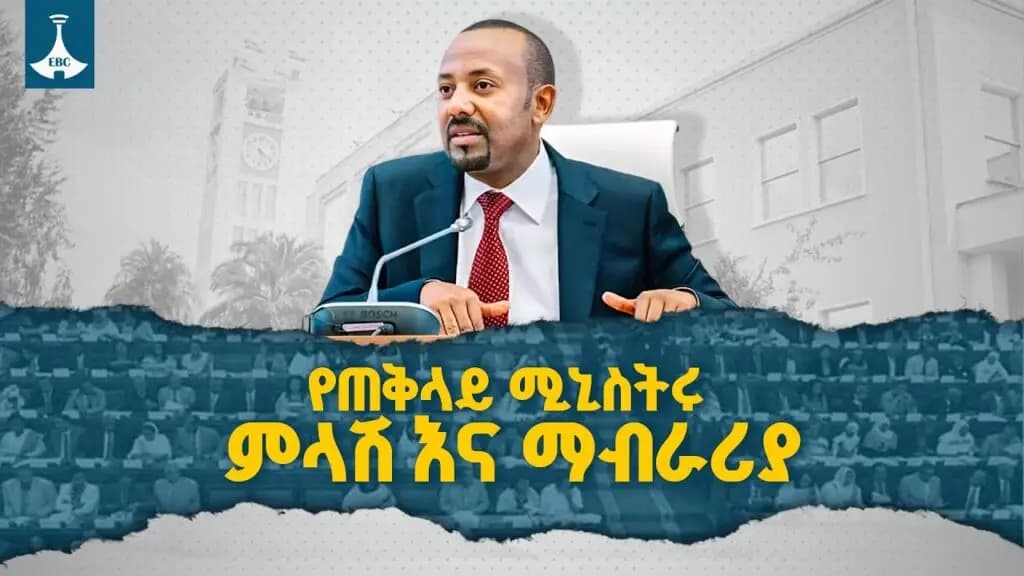
𝙏𝒊𝙜𝒓𝙖𝙮 𝑾𝙚𝒆𝙠𝒍𝙮 𝘿𝒊𝙜𝒆𝙨𝒕 | October 25– October 31, 2025
Originally published on Teshome Beyene’s blog, republished here with permission. Rhetoric and Reality: Reflections on the Premier’s Parliamentary Address
By UMD Media / Nov 4, 20250 views
Text Story
𝙏𝒊𝙜𝒓𝙖𝙮 𝑾𝙚𝒆𝙠𝒍𝙮 𝘿𝒊𝙜𝒆𝙨𝒕 | October 19– October 24, 2025
Originally published on Teshome Beyene’s blog, republished here with permission. This week, I have selected four topics of immense importance. The
By UMD Media / Oct 25, 20250 views
Text Story
𝙏𝒊𝙜𝒓𝙖𝙮 𝑾𝙚𝒆𝙠𝒍𝙮 𝘿𝒊𝙜𝒆𝙨𝒕 | October 11– October 18, 2025
Originally published on Teshome Beyene’s blog, republished here with permission. This week, I have chosen to focus on a single, prominent
By UMD Media / Oct 19, 20250 views
Discussion
Keep comments respectful and relevant. No threats, personal attacks, hate speech, spam, or private information. Comments are reviewed before publication.
Loading comments…
Checking discussion availability…