
𝙏𝒊𝙜𝒓𝙖𝙮 𝑾𝙚𝒆𝙠𝒍𝙮 𝘿𝒊𝙜𝒆𝙨𝒕 | July 20 – July 25, 2025
By UMD Media
Published
Last updated
13 min read
0 views𝙏𝙝𝙞𝙨 𝙬𝙚𝙚𝙠, 𝙬𝙚 𝙛𝙤𝙘𝙪𝙨 𝙤𝙣 𝙨𝙚𝙫𝙚𝙧𝙖𝙡 𝙥𝙧𝙚𝙨𝙨𝙞𝙣𝙜 𝙞𝙨𝙨𝙪𝙚𝙨—𝙖𝙡𝙡 𝙘𝙚𝙣𝙩𝙚𝙧𝙚𝙙 𝙤𝙣 𝙏𝙞𝙜𝙧𝙖𝙞—𝙖𝙣𝙙 𝙚𝙭𝙖𝙢𝙞𝙣𝙚 𝙚𝙖𝙘𝙝 𝙞𝙣 𝙙𝙚𝙥𝙩𝙝 𝙗𝙮 𝙡𝙖𝙮𝙞𝙣𝙜 𝙤𝙪𝙩 𝙩𝙝𝙚 𝙛𝙖𝙘𝙩𝙪𝙖𝙡 𝙜𝙧𝙤𝙪𝙣𝙙𝙬𝙤𝙧𝙠 𝙩𝙤 𝙥𝙧𝙤𝙫𝙞𝙙𝙚 𝙥𝙧𝙤𝙥𝙚𝙧 𝙘𝙤𝙣𝙩𝙚𝙭𝙩 𝙖𝙣𝙙 𝙥𝙚𝙧𝙨𝙥𝙚𝙘𝙩𝙞𝙫𝙚.
1. 𝐀 𝐓𝐮𝐦𝐮𝐥𝐭𝐮𝐨𝐮𝐬 𝐖𝐞𝐞𝐤 𝐢𝐧 𝐒𝐨𝐮𝐭𝐡𝐞𝐫𝐧 𝐓𝐢𝐠𝐫𝐚𝐢: 𝐑𝐚𝐲𝐚 𝐒𝐭𝐚𝐧𝐝𝐬 𝐈𝐭𝐬 𝐆𝐫𝐨𝐮𝐧𝐝
This past week has been tumultuous in Southern Tigrai, where the people of Raya—unarmed yet unrelenting—stood up to regional authorities in a way reminiscent of popular uprisings elsewhere in the world. Across history, we’ve seen crowds rise against unjust rule not through weaponry but through the force of numbers and conviction. This moment in Raya is part of that lineage.
For years, grievances in Raya and other parts of Southern Tigrai have been quietly building up. The situation, however, began to unravel more visibly after the signing of the Pretoria Agreement. The first major political rupture came last August, when southern delegates refused to participate in the TPLF’s much-maligned party congress. Their absence was more than symbolic; they declared the congress unlawful, citing serious procedural and organizational irregularities. In doing so, they aligned themselves with the findings of the party’s own Audit Committee and echoed the concerns of several members of the Congress Preparatory Committee.
Yet the TPLF leadership—dominated by the trio of Debretsion, Fetlework, and Alem—brushed off these warnings, ignored the advice of the Federal Election Board, and proceeded with the congress. Their desire to reshape governance in Southern Tigrai was met with resistance, most fiercely from the Raya and Enderta areas. As a result, the TPLF became wary of these regions and sought to install loyalists in key local positions.
Getachew’s friction with the TPLF establishment did not begin with the congress, at least in the public eye. It began when he unexpectedly vied for the presidency of the regional government. The TPLF’s heavyweights, caught off guard by his last-minute candidacy, sought to undermine him through superficial performance evaluations and backchannel smear campaigns. His origin from Raya, coupled with his rhetorical finesse and aptitude in political discourse, may have initially made him a convenient symbol of representativeness within the party—an effort to project inclusivity. However, once he began to openly contest the leadership style of Debretsion and his allies, and called for a thorough reckoning of the TPLF’s conduct during the war, the relationship began to sour. His insistence on accountability and transparent governance marked a clear departure from the inner circle’s expectations, ultimately setting him on a collision course with the party establishment.
Nevertheless, his eventual ouster deepened the sense of alienation between the Raya community and the regional government based in Mekelle.
Adding to this historical sense of marginalization was the long-standing perception among the people of Raya that their zonal administrators had often been outsiders. Many came to feel that they were denied genuine self-rule. Compounding this were cultural grievances—subtle but persistent feelings that the TPLF leadership had failed to show sensitivity to the local dialect and cultural nuances of the area. Still, despite these slights,Raya remained fiercely loyal to the Tigrean identity and the collective cause. Raya stood at the forefront of the resistance against the invading Prosperity Party (PP) forces in 2021 and 2022, earning widespread respect for its resilience. Not only that, the current protest is anchored in one very crucial point. The leaders in Raya have time and again pleaded that their struggle and resistance should be perceived as part of a larger impending clamor for change in other parts of Tigrai. “It must not be seen in isolation”, they assert.
Fast forward to July 2025. General Tadesse Werede, seen by some as a cautious and balanced figure, seemed to have taken a hard turn. Once considered a stabilizing force who had traveled to Maichew and Mekoni to listen to administrators and the public alike, General Tadesse now appeared to toe the TPLF hardliners’ line. On July 22nd, he dispatched what was officially described as a police force—though many questioned their identity—to Maichew and Mekoni. By the early hours of July 23rd, these forces had occupied local administrative buildings, forcing Zonal Administrator Habtu Kiros and his team to vacate and take temporary shelter on the outskirts.
But the people responded with breathtaking speed and clarity. Over 200 community members from Raya, representing a broad cross-section of society, traveled to Mekelle the very next day and demanded an audience with General Tadesse. Their message was firm and simple: return our elected administration and withdraw the security forces sent to occupy our towns. Reports—mostly circulated on social media and widely believed to be accurate—indicate that the General agreed to visit Maichew and discuss the matter on the ground.
After the delegation met with Tadesse in Mekelle on July 24th, events back in Maichew took a decisive turn. Crowds occupied the administrative buildings and reinstated Habtu Kiros and his team. Their return was met with jubilation—residents poured into the streets, embracing and welcoming them as heroes.
Remarkably, all this unfolded without a single drop of bloodshed. What might have escalated into a violent confrontation was resolved into something more akin to a family dispute. In a gesture both graceful and strategic, the people of Raya hosted a farewell meal for the security personnel, treating them not as enemies but as reluctant emissaries caught between conflicting orders and their conscience. The security forces, perhaps relieved, withdrew peacefully.

General Tadese Making his Address on TV on 23 July 2025
What has the TPLF said in response? Officially, very little. General Tadesse, in a press conference immediately following the expulsion of Habtu Kiros, had stated that the zonal leadership had drifted away from the chain of command. He maintained that appointing zonal administrators was his constitutional prerogative and that he had not interfered with structures below the zonal level. Interestingly, however, those appointed to replace Habtu and his team reportedly ( not sure about the general assigned to head security in the zone, nicknamed “Wedi Raya”) refused the assignments—perhaps a sign of the untenable nature of the situation. In the end, the standoff left both sides in limbo: neither the new appointees nor the removed officials took up posts.
Despite all this, one thing is clear: the people of Raya remain resolute in their choice. It is possible that General Tadesse and his allies were motivated by legitimate security concerns, especially given PP’s ongoing threats and the presence of protesting army elements in eastern Tigrai. However, such concerns—real or imagined—cannot override the fundamental question at stake: the people’s right to self-rule and the widespread perception that the TPLF no longer represents them.
This unrest is also a direct pushback against the controversial idea of a rapprochement between TPLF and the Eritrean government—a notion floated by some under the guise of forming a “strategic alliance” or “ ጽምዶ” to “save Tigrai.” This idea has been particularly unpopular in Southern Tigrai. While I haven’t conducted a formal survey of the exact extent, this resentment is widely felt and openly voiced.
Whether or not there is a real security threat in Raya, the issue cannot be dismissed as a passing episode. The TPLF had long telegraphed its desire to take over the local administration. But regardless of the risks, the calculus must center on the people—the very people whose faith in the TPLF is now deeply eroded.
What adds a layer of irony to all this is something General Tadesse himself said in his July 23 press conference: that the Raya zone is the most organized and economically productive in Tigrai. If so, one must ask—why attempt to remove its leadership? Who deserves credit for that performance if not the existing administrators?
My own reading is that the TPLF hardliners have been unsettled by the defiant leadership in Maichew—something they are not accustomed to. In this connection, General Tadesse may not have fully endorsed the use of force to remove them, but he appears to have yielded to pressure from figures like Fetlework and her faction. Whatever goodwill he earned during the early days of his leadership has now been compromised.
In the end, it was the traditional wisdom of conflict management—so deeply rooted in communities like Wejerat and Raya—that prevailed. The people secured their objectives through nonviolent resistance, proving that assertive civic engagement can yield results. The political struggle will continue, of course, but this episode marks a significant milestone.

Representatives of the people of Raya walks to see the administrator of the region, General Tadese Worede
Having said that, there is one thing that must be underlined as a no-go. If Habtu Kiros begins to look beyond his people—toward Getachew’s party or even the PP—for political salvation, he will lose the very ground that legitimized his leadership. Tigrai’s challenges must be resolved within Tigrai, by Tegaru themselves. This has been a recurring critique of Getachew Reda, and it applies equally to Habtu. That said, unless he veers off course, Habtu remains a compelling figure—a man of the people and, for now, a standard-bearer of a new political consciousness in Tigrai.

Security forces in the garb of Police being treated with Lunch in Raya after their relenting on the mission of bringing the administration to its knees.
Postscript 1: I have been reminded of an important fact regarding what the people of Raya stand for, as mentioned under topic (1), and I have incorporated it after the first publication to make the reporting more comprehensive and responsive to the reality on the ground. It is shown in Italics in the middle of the discussion.
Postscript 2: One of my FB interlocutors brought to mind a vital correction. It is regarding the fact that the zonal administrators are not elected, only appointed. That is true, and I have corrected that by striking through the word “elected”.
2. 𝖤𝖥𝖥𝖮𝖱𝖳: 𝖠 𝖬𝗈𝗆𝖾𝗇𝗍 𝗈𝖿 𝖫𝖾𝗀𝖺𝗅 𝖢𝗈𝗎𝗋𝖺𝗀𝖾—𝖺𝗇𝖽 𝖺 𝖯𝗋𝖾𝗌𝗂𝖽𝖾𝗇𝗍𝗂𝖺𝗅 𝖬𝗂𝗌𝗌𝗍𝖾𝗉
𝖮𝗏𝖾𝗋 𝗍𝗁𝖾 𝗉𝖺𝗌𝗍 𝗍𝗐𝗈 𝗐𝖾𝖾𝗄𝗌, 𝖨 𝗁𝖺𝗏𝖾 𝗐𝗋𝗂𝗍𝗍𝖾𝗇 𝖺𝖻𝗈𝗎𝗍 𝖤𝖥𝖥𝖮𝖱𝖳—𝗂𝗍𝗌 𝖼𝗈𝗆𝗉𝗅𝖾𝗑 𝗁𝗂𝗌𝗍𝗈𝗋𝗒, 𝗀𝗈𝗏𝖾𝗋𝗇𝖺𝗇𝖼𝖾 𝗌𝗍𝗋𝗎𝖼𝗍𝗎𝗋𝖾, 𝖺𝗇𝖽 𝗍𝗁𝖾 𝖼𝗋𝗂𝗌𝗂𝗌 𝗂𝗍 𝖼𝗎𝗋𝗋𝖾𝗇𝗍𝗅𝗒 𝖿𝖺𝖼𝖾𝗌. 𝖨𝗇 𝗍𝗁𝖺𝗍 𝖼𝗈𝗇𝗍𝖾𝗑𝗍, 𝖺 𝗌𝗂𝗀𝗇𝗂𝖿𝗂𝖼𝖺𝗇𝗍 𝗅𝖾𝗀𝖺𝗅 𝖺𝗇𝖽 𝗉𝗈𝗅𝗂𝗍𝗂𝖼𝖺𝗅 𝖽𝖾𝗏𝖾𝗅𝗈𝗉𝗆𝖾𝗇𝗍 𝖾𝗆𝖾𝗋𝗀𝖾𝖽 𝗅𝖺𝗌𝗍 𝗐𝖾𝖾𝗄. 𝖱𝖾𝗉𝗈𝗋𝗍𝗌 𝖼𝗂𝗋𝖼𝗎𝗅𝖺𝗍𝗂𝗇𝗀 𝗈𝗇 𝗌𝗈𝖼𝗂𝖺𝗅 𝗆𝖾𝖽𝗂𝖺 𝖼𝗈𝗇𝖿𝗂𝗋𝗆𝖾𝖽 𝗍𝗁𝖺𝗍 𝗍𝗁𝖾 𝖩𝗎𝗌𝗍𝗂𝖼𝖾 𝖡𝗎𝗋𝖾𝖺𝗎 𝖺𝗇𝖽 𝗍𝗁𝖾 𝖢𝗈𝗎𝗋𝗍 𝗂𝗇 𝖳𝗂𝗀𝗋𝖺𝗂 𝗁𝖺𝖽 𝖽𝖾𝖼𝗂𝖽𝖾𝖽 𝗍𝗁𝖺𝗍 𝗍𝗁𝖾 𝖾𝗑𝗂𝗌𝗍𝗂𝗇𝗀 𝖤𝖥𝖥𝖮𝖱𝖳 𝖻𝗈𝖺𝗋𝖽—𝗇𝗈𝗍 𝗍𝗁𝖾 𝗋𝖾𝖼𝖾𝗇𝗍𝗅𝗒 𝖺𝗇𝖽 𝖼𝗈𝗇𝗍𝗋𝗈𝗏𝖾𝗋𝗌𝗂𝖺𝗅𝗅𝗒 “𝖾𝗅𝖾𝖼𝗍𝖾𝖽” 𝗈𝗇𝖾—𝗐𝗈𝗎𝗅𝖽 𝗋𝖾𝗆𝖺𝗂𝗇 𝗂𝗇 𝖼𝗁𝖺𝗋𝗀𝖾. 𝖳𝗁𝖾 𝖼𝗈𝗎𝗋𝗍 𝖺𝗅𝗌𝗈 𝖻𝖺𝗋𝗋𝖾𝖽 𝗍𝗁𝖾 𝗇𝖾𝗐 𝖻𝗈𝖺𝗋𝖽, 𝖺𝗉𝗉𝗈𝗂𝗇𝗍𝖾𝖽 𝖻𝗒 𝗐𝗁𝖺𝗍 𝗆𝖺𝗇𝗒 𝖼𝗈𝗇𝗌𝗂𝖽𝖾𝗋 𝖺 𝗍𝗋𝗎𝗆𝗉𝖾𝖽-𝗎𝗉 𝖺𝗉𝗉𝗋𝗈𝖺𝖼𝗁 𝗈𝖿 𝖼𝖺𝗅𝗅𝗂𝗇𝗀 𝗈𝖿 𝖺 𝖼𝗈𝗇𝗀𝗋𝖾𝗌𝗌.
𝖳𝗁𝗂𝗌 𝖽𝖾𝖼𝗂𝗌𝗂𝗈𝗇 𝗐𝖺𝗌 𝗐𝗂𝖽𝖾𝗅𝗒 𝗁𝖺𝗂𝗅𝖾𝖽 𝖺𝗌 𝖺 𝖼𝗈𝗎𝗋𝖺𝗀𝖾𝗈𝗎𝗌 𝖺𝗌𝗌𝖾𝗋𝗍𝗂𝗈𝗇 𝗈𝖿 𝗃𝗎𝖽𝗂𝖼𝗂𝖺𝗅 𝗂𝗇𝖽𝖾𝗉𝖾𝗇𝖽𝖾𝗇𝖼𝖾—𝖺𝗇 𝖾𝖺𝗋𝗅𝗒 𝖻𝗎𝗍 𝗆𝖾𝖺𝗇𝗂𝗇𝗀𝖿𝗎𝗅 𝗌𝗍𝖾𝗉 𝗍𝗈𝗐𝖺𝗋𝖽 𝗂𝗇𝗌𝗍𝗂𝗍𝗎𝗍𝗂𝗈𝗇𝖺𝗅 𝗋𝖾𝖿𝗈𝗋𝗆 𝗂𝗇 𝗍𝗁𝖾 𝗋𝖾𝗀𝗂𝗈𝗇. 𝖥𝗈𝗋 𝗈𝗇𝖼𝖾, 𝗍𝗁𝖾 𝖢𝗈𝗎𝗋𝗍 𝗂𝗇 𝖳𝗂𝗀𝗋𝖺𝗂 𝗌𝗁𝗈𝗐𝖾𝖽 𝗍𝗁𝖺𝗍 𝗂𝗍 𝖼𝗈𝗎𝗅𝖽 𝗍𝖺𝗄𝖾 𝖺 𝗉𝗋𝗂𝗇𝖼𝗂𝗉𝗅𝖾𝖽 𝗌𝗍𝖺𝗇𝖼𝖾 𝗂𝗇 𝖺 𝗁𝗂𝗀𝗁-𝗌𝗍𝖺𝗄𝖾𝗌 𝗉𝗈𝗅𝗂𝗍𝗂𝖼𝖺𝗅 𝗆𝖺𝗍𝗍𝖾𝗋. 𝖨𝗍 𝗐𝖺𝗌 𝗇𝗈𝗍 𝗃𝗎𝗌𝗍 𝖺 𝗍𝖾𝖼𝗁𝗇𝗂𝖼𝖺𝗅 𝗃𝗎𝖽𝗀𝗆𝖾𝗇𝗍; 𝗂𝗍 𝗐𝖺𝗌 𝖺 𝖻𝗈𝗅𝖽 𝗌𝗂𝗀𝗇𝖺𝗅 𝗍𝗁𝖺𝗍 𝗋𝗎𝗅𝖾 𝗈𝖿 𝗅𝖺𝗐 𝗌𝗍𝗂𝗅𝗅 𝗁𝖺𝗌 𝖺 𝗉𝗅𝖺𝖼𝖾 𝗂𝗇 𝖳𝗂𝗀𝗋𝖺𝗂’𝗌 𝖾𝗏𝗈𝗅𝗏𝗂𝗇𝗀 𝗉𝗈𝗌𝗍-𝗐𝖺𝗋 𝗋𝖾𝖺𝗅𝗂𝗍𝗒.
𝖸𝖾𝗍, 𝗂𝗇 𝖺 𝗌𝗎𝗋𝗉𝗋𝗂𝗌𝗂𝗇𝗀 𝖺𝗇𝖽 𝖽𝗂𝗌𝖺𝗉𝗉𝗈𝗂𝗇𝗍𝗂𝗇𝗀 𝗍𝗎𝗋𝗇 𝗈𝖿 𝖾𝗏𝖾𝗇𝗍𝗌, 𝗍𝗁𝖾 𝖣𝖾𝖻𝖾𝗋𝖾𝗍𝗌𝗂𝗈𝗇-𝗅𝖾𝖽 𝖿𝖺𝖼𝗍𝗂𝗈𝗇 𝗈𝖿 𝗍𝗁𝖾 𝖳𝖯𝖫𝖥 𝗐𝖾𝗇𝗍 𝗈𝗇 𝗍𝗈 𝖼𝗈𝗇𝗏𝖾𝗇𝖾 𝖺𝗇𝗈𝗍𝗁𝖾𝗋 𝖤𝖥𝖥𝖮𝖱𝖳 “𝖼𝗈𝗇𝗀𝗋𝖾𝗌𝗌,” 𝗋𝖾𝗉𝗈𝗋𝗍𝖾𝖽𝗅𝗒 𝗍𝗈 𝖽𝖾𝗅𝗂𝖻𝖾𝗋𝖺𝗍𝖾 𝗈𝗇 𝗍𝗁𝖾 𝗈𝗋𝗀𝖺𝗇𝗂𝗓𝖺𝗍𝗂𝗈𝗇’𝗌 𝗂𝗇𝗍𝖾𝗋𝗇𝖺𝗅 𝖼𝗋𝗂𝗌𝗂𝗌 𝖺𝗇𝖽 𝗍𝗈 𝗋𝖾𝖺𝗌𝗌𝖾𝗋𝗍 𝗂𝗍𝗌 𝗀𝗋𝗂𝗉 𝗈𝗇 𝗉𝗈𝗐𝖾𝗋. 𝖤𝗏𝖾𝗇 𝗆𝗈𝗋𝖾 𝗉𝖾𝗋𝗉𝗅𝖾𝗑𝗂𝗇𝗀 𝗐𝖺𝗌 𝗍𝗁𝖾 𝗉𝖺𝗋𝗍𝗂𝖼𝗂𝗉𝖺𝗍𝗂𝗈𝗇 𝗈𝖿 𝗇𝗈𝗇𝖾 𝗈𝗍𝗁𝖾𝗋 𝗍𝗁𝖺𝗇 𝖱𝖾𝗀𝗂𝗈𝗇𝖺𝗅 𝖯𝗋𝖾𝗌𝗂𝖽𝖾𝗇𝗍 𝖦𝖾𝗇𝖾𝗋𝖺𝗅 𝖳𝖺𝖽𝖾𝗌𝗌𝖾 𝖶𝖾𝗋𝖾𝖽𝖾. 𝖧𝗂𝗌 𝗉𝗋𝖾𝗌𝖾𝗇𝖼𝖾 𝖺𝗍 𝖺 𝖼𝗈𝗇𝗀𝗋𝖾𝗌𝗌 𝗍𝗁𝖺𝗍 𝗁𝖺𝖽 𝖻𝖾𝖾𝗇 𝗂𝗆𝗉𝗅𝗂𝖼𝗂𝗍𝗅𝗒 𝖻𝖺𝗋𝗋𝖾𝖽 𝖻𝗒 𝗍𝗁𝖾 𝖼𝗈𝗎𝗋𝗍 𝗋𝖺𝗂𝗌𝖾𝖽 𝗌𝖾𝗋𝗂𝗈𝗎𝗌 𝖼𝗈𝗇𝖼𝖾𝗋𝗇𝗌 𝖺𝖻𝗈𝗎𝗍 𝖾𝗑𝖾𝖼𝗎𝗍𝗂𝗏𝖾 𝗈𝗏𝖾𝗋𝗋𝖾𝖺𝖼𝗁 𝗈𝗋, 𝖺𝗍 𝖻𝖾𝗌𝗍, 𝗉𝗈𝗈𝗋 𝗃𝗎𝖽𝗀𝗆𝖾𝗇𝗍.
𝖳𝗈 𝗆𝖺𝗄𝖾 𝗆𝖺𝗍𝗍𝖾𝗋𝗌 𝗐𝗈𝗋𝗌𝖾, 𝗂𝗇 𝗁𝗂𝗌 𝖩𝗎𝗅𝗒 𝟤𝟥, 𝟤𝟢𝟤𝟧 𝗉𝗋𝖾𝗌𝗌 𝖼𝗈𝗇𝖿𝖾𝗋𝖾𝗇𝖼𝖾—𝗅𝖺𝗌𝗍𝗂𝗇𝗀 𝗋𝗈𝗎𝗀𝗁𝗅𝗒 𝟤𝟫 𝗆𝗂𝗇𝗎𝗍𝖾𝗌—𝖯𝗋𝖾𝗌𝗂𝖽𝖾𝗇𝗍 𝖳𝖺𝖽𝖾𝗌𝗌𝖾 𝖺𝖽𝖽𝗋𝖾𝗌𝗌𝖾𝖽 𝗍𝗁𝖾 𝖤𝖥𝖥𝖮𝖱𝖳 𝗂𝗌𝗌𝗎𝖾 𝗂𝗇 𝗁𝗂𝗌 𝖼𝗅𝗈𝗌𝗂𝗇𝗀 𝗋𝖾𝗆𝖺𝗋𝗄𝗌. 𝖧𝖾 𝗌𝗍𝖺𝗍𝖾𝖽:
“𝖳𝗁𝖾 𝗂𝗌𝗌𝗎𝖾𝗌 𝗉𝖾𝗋𝗍𝖺𝗂𝗇𝗂𝗇𝗀 𝗍𝗈 𝖤𝖥𝖥𝖮𝖱𝖳 𝖺𝗋𝖾 𝖺𝗅𝗋𝖾𝖺𝖽𝗒 𝖼𝗈𝗆𝗉𝗅𝗂𝖼𝖺𝗍𝖾𝖽, 𝖺𝗇𝖽 𝗍𝗁𝖾 𝗆𝖺𝗍𝗍𝖾𝗋 𝗌𝗁𝗈𝗎𝗅𝖽 𝗇𝗈𝗍 𝗁𝖺𝗏𝖾 𝗀𝗈𝗇𝖾 𝗍𝗈 𝖼𝗈𝗎𝗋𝗍, 𝖺𝗌 𝗍𝗁𝖺𝗍 𝗂𝗌 𝗈𝗇𝗅𝗒 𝗆𝖺𝗄𝗂𝗇𝗀 𝗍𝗁𝗂𝗇𝗀𝗌 𝗆𝗈𝗋𝖾 𝖼𝗈𝗆𝗉𝗅𝗂𝖼𝖺𝗍𝖾𝖽. 𝖳𝗁𝖾 𝗍𝗐𝗈 𝖿𝖺𝖼𝗍𝗂𝗈𝗇𝗌 𝗌𝗁𝗈𝗎𝗅𝖽 𝗁𝖺𝗏𝖾 𝗌𝖺𝗍 𝗍𝗈𝗀𝖾𝗍𝗁𝖾𝗋 𝖺𝗇𝖽 𝗋𝖾𝗌𝗈𝗅𝗏𝖾𝖽 𝗍𝗁𝖾𝗂𝗋 𝖽𝗂𝖿𝖿𝖾𝗋𝖾𝗇𝖼𝖾𝗌. 𝖬𝗒 𝗀𝗈𝗏𝖾𝗋𝗇𝗆𝖾𝗇𝗍 𝗆𝖺𝗒 𝖻𝖾 𝖿𝗈𝗋𝖼𝖾𝖽 𝗍𝗈 𝗂𝗇𝗍𝖾𝗋𝗏𝖾𝗇𝖾 𝖺𝗇𝖽 𝗆𝖺𝗄𝖾 𝗂𝗍𝗌 𝗈𝗐𝗇 𝖽𝖾𝖼𝗂𝗌𝗂𝗈𝗇𝗌 𝗍𝗈 𝗋𝖾𝗌𝗈𝗅𝗏𝖾 𝗍𝗁𝖾 𝗉𝗋𝗈𝖻𝗅𝖾𝗆.”
𝖳𝗁𝖾𝗋𝖾 𝖺𝗋𝖾 𝗍𝗐𝗈 𝗍𝗋𝗈𝗎𝖻𝗅𝗂𝗇𝗀 𝗂𝗆𝗉𝗅𝗂𝖼𝖺𝗍𝗂𝗈𝗇𝗌 𝗁𝖾𝗋𝖾.
𝖥𝗂𝗋𝗌𝗍, 𝗐𝗁𝖾𝗇 𝖺 𝗆𝖺𝗍𝗍𝖾𝗋 𝗂𝗌 𝖺𝗅𝗋𝖾𝖺𝖽𝗒 𝗎𝗇𝖽𝖾𝗋 𝗃𝗎𝖽𝗂𝖼𝗂𝖺𝗅 𝗋𝖾𝗏𝗂𝖾𝗐—𝖺𝗇𝖽 𝖾𝗌𝗉𝖾𝖼𝗂𝖺𝗅𝗅𝗒 𝗐𝗁𝖾𝗇 𝖺 𝗉𝗋𝖾𝗅𝗂𝗆𝗂𝗇𝖺𝗋𝗒 𝖽𝖾𝖼𝗂𝗌𝗂𝗈𝗇 𝗁𝖺𝗌 𝖻𝖾𝖾𝗇 𝗁𝖺𝗇𝖽𝖾𝖽 𝖽𝗈𝗐𝗇—𝗍𝗁𝖾 𝖾𝗑𝖾𝖼𝗎𝗍𝗂𝗏𝖾 𝖻𝗋𝖺𝗇𝖼𝗁 𝗆𝗎𝗌𝗍 𝗋𝖾𝗌𝗉𝖾𝖼𝗍 𝗍𝗁𝖺𝗍 𝗉𝗋𝗈𝖼𝖾𝗌𝗌. 𝖭𝗈 𝗆𝖺𝗍𝗍𝖾𝗋 𝗁𝗈𝗐 “𝖼𝗈𝗆𝗉𝗅𝗂𝖼𝖺𝗍𝖾𝖽” 𝗍𝗁𝖾 𝗂𝗌𝗌𝗎𝖾 𝗆𝖺𝗒 𝖺𝗉𝗉𝖾𝖺𝗋, 𝗍𝗁𝖾 𝖺𝗉𝗉𝗋𝗈𝗉𝗋𝗂𝖺𝗍𝖾 𝗋𝖾𝗌𝗉𝗈𝗇𝗌𝖾 𝖿𝗋𝗈𝗆 𝗍𝗁𝖾 𝖯𝗋𝖾𝗌𝗂𝖽𝖾𝗇𝗍 𝗂𝗌 𝗍𝗈 𝗅𝖾𝗍 𝗍𝗁𝖾 𝖼𝗈𝗎𝗋𝗍 𝗉𝗋𝗈𝖼𝖾𝖾𝖽 𝗂𝗇𝖽𝖾𝗉𝖾𝗇𝖽𝖾𝗇𝗍𝗅𝗒. 𝖩𝗎𝖽𝗂𝖼𝗂𝖺𝗅 𝖺𝗎𝗍𝗁𝗈𝗋𝗂𝗍𝗒 𝗆𝗎𝗌𝗍 𝗇𝗈𝗍 𝖻𝖾 𝗎𝗇𝖽𝖾𝗋𝗆𝗂𝗇𝖾𝖽 𝖻𝗒 𝗉𝖺𝗋𝖺𝗅𝗅𝖾𝗅 𝗈𝗋 𝖼𝗈𝗇𝗍𝗋𝖺𝖽𝗂𝖼𝗍𝗈𝗋𝗒 𝖺𝖼𝗍𝗂𝗈𝗇𝗌 𝖻𝗒 𝗍𝗁𝖾 𝖾𝗑𝖾𝖼𝗎𝗍𝗂𝗏𝖾.
𝖲𝖾𝖼𝗈𝗇𝖽, 𝗂𝖿 𝗍𝗁𝖾 𝖯𝗋𝖾𝗌𝗂𝖽𝖾𝗇𝗍 𝗀𝖾𝗇𝗎𝗂𝗇𝖾𝗅𝗒 𝖻𝖾𝗅𝗂𝖾𝗏𝖾𝖽 𝗍𝗁𝖾 𝖤𝖥𝖥𝖮𝖱𝖳 𝗆𝖺𝗍𝗍𝖾𝗋 𝗋𝖾𝗊𝗎𝗂𝗋𝖾𝖽 𝗎𝗋𝗀𝖾𝗇𝗍 𝗋𝖾𝗌𝗈𝗅𝗎𝗍𝗂𝗈𝗇, 𝗁𝖾 𝗁𝖺𝖽 𝖾𝖺𝗋𝗅𝗂𝖾𝗋 𝗅𝖾𝗀𝖺𝗅 𝖺𝗇𝖽 𝗉𝗈𝗅𝗂𝗍𝗂𝖼𝖺𝗅 𝗍𝗈𝗈𝗅𝗌 𝖺𝗍 𝗁𝗂𝗌 𝖽𝗂𝗌𝗉𝗈𝗌𝖺𝗅. 𝖴𝗇𝖽𝖾𝗋 𝖺 𝖽𝖾𝖼𝗋𝖾𝖾 𝗂𝗌𝗌𝗎𝖾𝖽 𝖺𝗋𝗈𝗎𝗇𝖽 𝟤𝟢𝟣𝟫, 𝖤𝖥𝖥𝖮𝖱𝖳 𝗁𝖺𝖽 𝖻𝖾𝖾𝗇 𝖾𝖺𝗋𝗆𝖺𝗋𝗄𝖾𝖽 𝗍𝗈 𝖿𝖺𝗅𝗅 𝗎𝗇𝖽𝖾𝗋 𝗍𝗁𝖾 𝗃𝗎𝗋𝗂𝗌𝖽𝗂𝖼𝗍𝗂𝗈𝗇 𝗈𝖿 𝗍𝗁𝖾 𝗋𝖾𝗀𝗂𝗈𝗇𝖺𝗅 𝗀𝗈𝗏𝖾𝗋𝗇𝗆𝖾𝗇𝗍 𝖺𝗌 𝖺 𝗉𝗎𝖻𝗅𝗂𝖼 𝗋𝖾𝗉𝗋𝖾𝗌𝖾𝗇𝗍𝖺𝗍𝗂𝗏𝖾 𝗂𝗇𝗌𝗍𝗂𝗍𝗎𝗍𝗂𝗈𝗇. 𝖨𝗇 𝗍𝗁𝖺𝗍 𝖿𝗋𝖺𝗆𝖾𝗐𝗈𝗋𝗄, 𝗍𝗁𝖾 𝖿𝗈𝗋𝗆𝖺𝗍𝗂𝗈𝗇 𝗈𝖿 𝖺𝗇𝗒 𝗇𝖾𝗐 𝖤𝖥𝖥𝖮𝖱𝖳 𝖼𝗈𝗇𝗀𝗋𝖾𝗌𝗌 𝗐𝗈𝗎𝗅𝖽 𝗋𝖾𝗊𝗎𝗂𝗋𝖾 𝖺𝗎𝗍𝗁𝗈𝗋𝗂𝗓𝖺𝗍𝗂𝗈𝗇 𝖻𝗒 𝗍𝗁𝖾 𝖳𝗂𝗀𝗋𝖺𝗂 𝗋𝖾𝗀𝗂𝗈𝗇𝖺𝗅 𝖺𝗌𝗌𝖾𝗆𝖻𝗅𝗒—𝖾𝖿𝖿𝖾𝖼𝗍𝗂𝗏𝖾𝗅𝗒, 𝖻𝗒 𝗍𝗁𝖾 𝗈𝖿𝖿𝗂𝖼𝖾 𝗈𝖿 𝗍𝗁𝖾 𝖯𝗋𝖾𝗌𝗂𝖽𝖾𝗇𝗍 𝗁𝗂𝗆𝗌𝖾𝗅𝖿. 𝖨𝖿 𝖦𝖾𝗇𝖾𝗋𝖺𝗅 𝖳𝖺𝖽𝖾𝗌𝗌𝖾 𝗐𝗂𝗌𝗁𝖾𝖽 𝗍𝗈 𝗋𝖾𝖼𝗅𝖺𝗂𝗆 𝖤𝖥𝖥𝖮𝖱𝖳 𝖿𝗋𝗈𝗆 𝗍𝗁𝖾 𝗀𝗋𝗂𝗉 𝗈𝖿 𝖺 𝗇𝖺𝗋𝗋𝗈𝗐 𝖳𝖯𝖫𝖥 𝖿𝖺𝖼𝗍𝗂𝗈𝗇, 𝗁𝖾 𝖼𝗈𝗎𝗅𝖽 𝗁𝖺𝗏𝖾 𝗍𝖺𝗄𝖾𝗇 𝗉𝗋𝗈𝖺𝖼𝗍𝗂𝗏𝖾 𝗌𝗍𝖾𝗉𝗌 𝗍𝗈 𝖽𝗈 𝗌𝗈 𝗅𝖺𝗐𝖿𝗎𝗅𝗅𝗒 𝖺𝗇𝖽 𝗍𝗋𝖺𝗇𝗌𝗉𝖺𝗋𝖾𝗇𝗍𝗅𝗒.
𝖳𝗋𝗎𝖾, 𝗍𝗁𝗂𝗌 𝗆𝖺𝗒 𝗁𝖺𝗏𝖾 𝗂𝗇𝗏𝗈𝗅𝗏𝖾𝖽 𝗇𝖺𝗏𝗂𝗀𝖺𝗍𝗂𝗇𝗀 𝗅𝖾𝗀𝖺𝗅 𝖼𝗈𝗆𝗉𝗅𝖾𝗑𝗂𝗍𝗂𝖾𝗌, 𝖺𝗇𝖽 𝗂𝗍 𝗆𝖺𝗒 𝗁𝖺𝗏𝖾 𝖽𝖾𝗆𝖺𝗇𝖽𝖾𝖽 𝗋𝖾𝗌𝗈𝗅𝗏𝖾 𝖿𝗋𝗈𝗆 𝖻𝗈𝗍𝗁 𝗍𝗁𝖾 𝖯𝗋𝖾𝗌𝗂𝖽𝖾𝗇𝗍 𝖺𝗇𝖽 𝗁𝗂𝗌 𝗅𝖾𝗀𝖺𝗅 𝗍𝖾𝖺𝗆. 𝖡𝗎𝗍 𝗐𝗁𝖺𝗍 𝗐𝖺𝗌 𝗋𝖾𝗊𝗎𝗂𝗋𝖾𝖽 𝗐𝖺𝗌 𝗇𝗈𝗍 𝗅𝖾𝗀𝖺𝗅 𝗂𝗇𝗇𝗈𝗏𝖺𝗍𝗂𝗈𝗇, 𝗃𝗎𝗌𝗍 𝗉𝗈𝗅𝗂𝗍𝗂𝖼𝖺𝗅 𝗐𝗂𝗅𝗅. 𝖧𝖺𝖽 𝗁𝖾 𝖺𝖼𝗍𝖾𝖽 𝗐𝗂𝗍𝗁𝗂𝗇 𝗍𝗁𝗂𝗌 𝖿𝗋𝖺𝗆𝖾𝗐𝗈𝗋𝗄, 𝗁𝖾 𝖼𝗈𝗎𝗅𝖽 𝗁𝖺𝗏𝖾 𝗋𝖾𝗉𝗈𝗌𝗂𝗍𝗂𝗈𝗇𝖾𝖽 𝖤𝖥𝖥𝖮𝖱𝖳 𝖺𝗌 𝖺 𝗀𝖾𝗇𝗎𝗂𝗇𝖾𝗅𝗒 𝗉𝗎𝖻𝗅𝗂𝖼 𝗂𝗇𝗌𝗍𝗂𝗍𝗎𝗍𝗂𝗈𝗇—𝖿𝗋𝖾𝖾𝖽 𝖿𝗋𝗈𝗆 𝖼𝖺𝗉𝗍𝗎𝗋𝖾 𝖻𝗒 𝖺 𝗍𝗂𝗀𝗁𝗍𝗅𝗒 𝗄𝗇𝗂𝗍 𝗉𝖺𝗋𝗍𝗒 𝖾𝗅𝗂𝗍𝖾.
𝖨𝗇𝗌𝗍𝖾𝖺𝖽, 𝗐𝗁𝖺𝗍 𝗐𝖾 𝗌𝖺𝗐 𝗐𝖺𝗌 𝖺 𝗆𝗂𝗌𝗌𝖾𝖽 𝗈𝗉𝗉𝗈𝗋𝗍𝗎𝗇𝗂𝗍𝗒. 𝖠 𝖼𝗋𝗂𝗍𝗂𝖼𝖺𝗅 𝗆𝗈𝗆𝖾𝗇𝗍 𝗐𝗁𝖾𝗋𝖾 𝗍𝗁𝖾 𝗅𝖺𝗐 𝗌𝗁𝗈𝗐𝖾𝖽 𝗌𝗍𝗋𝖾𝗇𝗀𝗍𝗁, 𝖻𝗎𝗍 𝗅𝖾𝖺𝖽𝖾𝗋𝗌𝗁𝗂𝗉 𝖿𝖺𝗅𝗍𝖾𝗋𝖾𝖽.
3) Berhanu Jula’s Tirade: When Generals Stray into Politics

Field Marshal Berhanu Jula
𝖥𝗂𝖾𝗅𝖽 𝖬𝖺𝗋𝗌𝗁𝖺𝗅 𝖡𝖾𝗋𝗁𝖺𝗇𝗎 𝖩𝗎𝗅𝖺, 𝖢𝗁𝗂𝖾𝖿 𝗈𝖿 𝖲𝗍𝖺𝖿𝖿 𝗈𝖿 𝗍𝗁𝖾 𝖤𝗍𝗁𝗂𝗈𝗉𝗂𝖺𝗇 𝖭𝖺𝗍𝗂𝗈𝗇𝖺𝗅 𝖣𝖾𝖿𝖾𝗇𝖼𝖾 𝖥𝗈𝗋𝖼𝖾𝗌, 𝖽𝖾𝗅𝗂𝗏𝖾𝗋𝖾𝖽 𝖺 𝖿𝖺𝗆𝗂𝗅𝗂𝖺𝗋 𝗍𝗂𝗋𝖺𝖽𝖾 𝗍𝗁𝗂𝗌 𝗐𝖾𝖾𝗄, 𝗅𝖺𝗌𝗁𝗂𝗇𝗀 𝗈𝗎𝗍 𝖺𝗀𝖺𝗂𝗇𝗌𝗍 𝗐𝗁𝖺𝗍 𝗁𝖾 𝗋𝖾𝖿𝖾𝗋𝗋𝖾𝖽 𝗍𝗈 𝖺𝗌 “𝗍𝗁𝖾 𝖶𝗈𝗒𝖺𝗇𝖾 𝖢𝗁𝗂𝖾𝖿𝗌.” 𝖪𝗇𝗈𝗐𝗇 𝖿𝗈𝗋 𝗁𝗂𝗌 𝖻𝗋𝖺𝗌𝗁 𝖺𝗇𝖽 𝗎𝗇𝖽𝗂𝗉𝗅𝗈𝗆𝖺𝗍𝗂𝖼 𝗋𝗁𝖾𝗍𝗈𝗋𝗂𝖼, 𝖦𝖾𝗇𝖾𝗋𝖺𝗅 𝖡𝖾𝗋𝗁𝖺𝗇𝗎 𝗁𝖺𝗌 𝗆𝖺𝖽𝖾 𝖺 𝗁𝖺𝖻𝗂𝗍 𝗈𝖿 𝗅𝖺𝗎𝗇𝖼𝗁𝗂𝗇𝗀 𝗉𝗎𝖻𝗅𝗂𝖼 𝗍𝗁𝗋𝖾𝖺𝗍𝗌 𝖺𝗀𝖺𝗂𝗇𝗌𝗍 𝖺𝗋𝗆𝖾𝖽 𝗈𝗉𝗉𝗈𝗌𝗂𝗍𝗂𝗈𝗇 𝗀𝗋𝗈𝗎𝗉𝗌 𝖺𝖼𝗋𝗈𝗌𝗌 𝗍𝗁𝖾 𝖼𝗈𝗎𝗇𝗍𝗋𝗒. 𝖨𝗇 𝖬𝖺𝗋𝖼𝗁 𝗈𝖿 𝗍𝗁𝗂𝗌 𝗒𝖾𝖺𝗋, 𝗁𝖾 𝖺𝖼𝖼𝗎𝗌𝖾𝖽 𝖦𝖾𝗇𝖾𝗋𝖺𝗅 𝖬𝗂𝗀𝖻𝖾𝗒 𝗈𝖿 𝖺𝗍𝗍𝖾𝗆𝗉𝗍𝗂𝗇𝗀 𝗍𝗈 𝗀𝖺𝗅𝗏𝖺𝗇𝗂𝗓𝖾 𝗌𝗎𝗉𝗉𝗈𝗋𝗍 𝖿𝗈𝗋 𝗍𝗁𝖾 𝖠𝗆𝗁𝖺𝗋𝖺 𝗋𝖾𝗌𝗂𝗌𝗍𝖺𝗇𝖼𝖾 𝗀𝗋𝗈𝗎𝗉 𝖥𝖺𝗇𝗈—𝗌𝗉𝖾𝖼𝗂𝖿𝗂𝖼𝖺𝗅𝗅𝗒 𝖼𝗅𝖺𝗂𝗆𝗂𝗇𝗀 𝗍𝗁𝖺𝗍 𝖬𝗂𝗀𝖻𝖾𝗒 𝗁𝖺𝖽 𝗌𝗈𝗎𝗀𝗁𝗍 𝗍𝗈 𝖺𝗂𝖽 𝗍𝗁𝖾 𝗌𝗈𝗎𝗍𝗁-𝗐𝖾𝗌𝗍𝖾𝗋𝗇 𝖿𝗋𝗈𝗇𝗍, 𝖻𝗎𝗍 𝖿𝖺𝗂𝗅𝖾𝖽 𝖽𝗎𝖾 𝗍𝗈 𝗂𝗇𝖼𝗈𝗆𝗉𝖾𝗍𝖾𝗇𝖼𝖾.
𝖳𝗁𝗂𝗌 𝗍𝗂𝗆𝖾, 𝖦𝖾𝗇𝖾𝗋𝖺𝗅 𝖡𝖾𝗋𝗁𝖺𝗇𝗎’𝗌 𝗌𝗍𝖺𝗍𝖾𝗆𝖾𝗇𝗍𝗌 𝗐𝖾𝗋𝖾 𝖾𝗏𝖾𝗇 𝗆𝗈𝗋𝖾 𝗉𝗈𝗂𝗇𝗍𝖾𝖽. 𝖶𝗂𝗍𝗁 𝗁𝗂𝗌 𝖼𝗁𝖺𝗋𝖺𝖼𝗍𝖾𝗋𝗂𝗌𝗍𝗂𝖼 𝗌𝗁𝗈𝗈𝗍-𝖿𝗋𝗈𝗆-𝗍𝗁𝖾-𝗁𝗂𝗉 𝖽𝖾𝗅𝗂𝗏𝖾𝗋𝗒, 𝗁𝖾 𝗋𝖾𝖼𝗂𝗍𝖾𝖽—𝖺𝗅𝗆𝗈𝗌𝗍 𝗅𝗂𝗇𝖾 𝖻𝗒 𝗅𝗂𝗇𝖾—𝗍𝗁𝖾 𝗌𝗎𝗉𝗉𝗈𝗌𝖾𝖽 𝗁𝗂𝗌𝗍𝗈𝗋𝗒 𝗈𝖿 𝖳𝖯𝖫𝖥 𝗆𝗂𝗌𝗌𝗍𝖾𝗉𝗌, 𝖺𝖼𝖼𝗎𝗌𝗂𝗇𝗀 𝗍𝗁𝖾𝗆 𝗈𝖿 𝗁𝖺𝗏𝗂𝗇𝗀 𝗐𝖺𝗀𝖾𝖽 𝗍𝗁𝗋𝖾𝖾 𝖿𝖺𝗂𝗅𝖾𝖽 𝗆𝗂𝗅𝗂𝗍𝖺𝗋𝗒 𝖼𝖺𝗆𝗉𝖺𝗂𝗀𝗇𝗌 𝖺𝗀𝖺𝗂𝗇𝗌𝗍 𝖤𝗍𝗁𝗂𝗈𝗉𝗂𝖺, 𝖾𝖺𝖼𝗁 𝗍𝗂𝗆𝖾 𝖺𝗀𝖺𝗂𝗇𝗌𝗍 𝖻𝖾𝗍𝗍𝖾𝗋 𝖺𝖽𝗏𝗂𝖼𝖾. 𝖧𝖾 𝖺𝗅𝗅𝖾𝗀𝖾𝖽 𝗍𝗁𝖺𝗍 𝗍𝗁𝖾𝗒 𝖺𝗋𝖾 𝗇𝗈𝗐 𝗉𝗋𝖾𝗉𝖺𝗋𝗂𝗇𝗀 𝖿𝗈𝗋 𝖺 𝖿𝗈𝗎𝗋𝗍𝗁 𝖺𝗍𝗍𝖾𝗆𝗉𝗍 𝖺𝗇𝖽 𝖼𝗅𝖺𝗂𝗆𝖾𝖽 𝗍𝗁𝖾𝗒 𝖺𝗋𝖾 𝗂𝗇𝖼𝖺𝗉𝖺𝖻𝗅𝖾 𝗈𝖿 𝖺𝖼𝗁𝗂𝖾𝗏𝗂𝗇𝗀 𝖺𝗇𝗒𝗍𝗁𝗂𝗇𝗀 𝗆𝗂𝗅𝗂𝗍𝖺𝗋𝗂𝗅𝗒.
𝖡𝖾𝗋𝗁𝖺𝗇𝗎 𝖺𝗅𝗌𝗈 𝖺𝗌𝗌𝖾𝗋𝗍𝖾𝖽 𝗍𝗁𝖺𝗍 𝗍𝗁𝖾 𝖳𝖯𝖫𝖥 𝗁𝖺𝖽 𝗏𝗂𝗈𝗅𝖺𝗍𝖾𝖽 𝗍𝗁𝖾 𝗍𝖾𝗋𝗆𝗌 𝗈𝖿 𝗍𝗁𝖾 𝖯𝗋𝖾𝗍𝗈𝗋𝗂𝖺 𝖠𝗀𝗋𝖾𝖾𝗆𝖾𝗇𝗍 𝖻𝗒 𝗁𝗂𝖽𝗂𝗇𝗀 𝖺𝗇𝖽 𝗇𝗈𝗐 𝖿𝗅𝖺𝗎𝗇𝗍𝗂𝗇𝗀 𝗁𝖾𝖺𝗏𝗒 𝗐𝖾𝖺𝗉𝗈𝗇𝗋𝗒 𝗍𝗁𝖾𝗒 𝗐𝖾𝗋𝖾 𝗌𝗎𝗉𝗉𝗈𝗌𝖾𝖽 𝗍𝗈 𝗁𝖺𝗏𝖾 𝗌𝗎𝗋𝗋𝖾𝗇𝖽𝖾𝗋𝖾𝖽. 𝖠𝖼𝖼𝗈𝗋𝖽𝗂𝗇𝗀 𝗍𝗈 𝗁𝗂𝗆, 𝖺𝗇𝗒 𝗌𝗎𝖼𝗁 𝗉𝗈𝗌𝗍𝗎𝗋𝗂𝗇𝗀 𝗐𝗈𝗎𝗅𝖽 𝗎𝗅𝗍𝗂𝗆𝖺𝗍𝖾𝗅𝗒 𝗅𝖾𝖺𝖽 𝗍𝗈 𝖿𝗎𝗍𝗂𝗅𝗂𝗍𝗒. 𝖠𝗅𝗅 𝗈𝖿 𝗍𝗁𝗂𝗌, 𝗐𝗁𝗂𝗅𝖾 𝗂𝗇𝖿𝗅𝖺𝗆𝗆𝖺𝗍𝗈𝗋𝗒, 𝗌𝗍𝗂𝗅𝗅 𝖿𝖺𝗅𝗅𝗌 𝗐𝗂𝗍𝗁𝗂𝗇 𝗍𝗁𝖾 𝗍𝗒𝗉𝗂𝖼𝖺𝗅 𝗋𝗁𝖾𝗍𝗈𝗋𝗂𝖼 𝗈𝖿 𝖺 𝗆𝗂𝗅𝗂𝗍𝖺𝗋𝗒 𝖼𝗁𝗂𝖾𝖿 𝖺𝗍𝗍𝖾𝗆𝗉𝗍𝗂𝗇𝗀 𝗍𝗈 𝗉𝗋𝗈𝗃𝖾𝖼𝗍 𝖼𝗈𝗇𝖿𝗂𝖽𝖾𝗇𝖼𝖾 𝖺𝗇𝖽 𝗌𝗍𝗋𝖾𝗇𝗀𝗍𝗁.
𝖡𝗎𝗍 𝗍𝗁𝖾𝗇, 𝗁𝖾 𝖼𝗋𝗈𝗌𝗌𝖾𝖽 𝖺 𝗏𝖾𝗋𝗒 𝗌𝖾𝗋𝗂𝗈𝗎𝗌 𝗅𝗂𝗇𝖾.
𝖨𝗇 𝖺 𝗆𝗈𝗆𝖾𝗇𝗍 𝗈𝖿 𝗉𝖺𝗋𝗍𝗂𝖼𝗎𝗅𝖺𝗋 𝖺𝗅𝖺𝗋𝗆, 𝖡𝖾𝗋𝗁𝖺𝗇𝗎 𝗌𝖺𝗂𝖽, 𝗂𝗇 𝗇𝗈 𝗎𝗇𝖼𝖾𝗋𝗍𝖺𝗂𝗇 𝗍𝖾𝗋𝗆𝗌, 𝗍𝗁𝖺𝗍 𝗍𝗁𝖾 “𝖶𝗈𝗒𝖺𝗇𝖾𝗌” 𝖼𝗈𝗎𝗅𝖽 𝗈𝗇𝗅𝗒 𝗉𝗈𝗌𝗌𝖾𝗌𝗌 𝗁𝖾𝖺𝗏𝗒 𝗐𝖾𝖺𝗉𝗈𝗇𝗌 𝗈𝗇𝖼𝖾 𝖳𝗂𝗀𝗋𝖺𝗂 𝗁𝖺𝗌 𝗌𝖾𝖼𝖾𝖽𝖾𝖽 𝖿𝗋𝗈𝗆 𝖤𝗍𝗁𝗂𝗈𝗉𝗂𝖺—𝖺𝖽𝖽𝗂𝗇𝗀 𝗍𝗁𝖺𝗍, 𝗂𝗇 𝗌𝗎𝖼𝗁 𝖺 𝖼𝖺𝗌𝖾, “𝗍𝗁𝖾𝗒 𝗐𝗈𝗎𝗅𝖽𝗇’𝗍 𝖾𝗏𝖾𝗇 𝗇𝖾𝖾𝖽 𝗁𝖾𝖺𝗏𝗒 𝗐𝖾𝖺𝗉𝗈𝗇𝗌.” 𝖧𝖾 𝗍𝗁𝖾𝗇 𝗋𝖾𝗆𝖺𝗋𝗄𝖾𝖽 𝗍𝗁𝖺𝗍 𝗍𝗁𝖾 𝖢𝗈𝗇𝗌𝗍𝗂𝗍𝗎𝗍𝗂𝗈𝗇 𝖽𝗈𝖾𝗌, 𝖺𝖿𝗍𝖾𝗋 𝖺𝗅𝗅, 𝗉𝗋𝗈𝗏𝗂𝖽𝖾 𝖺 𝗅𝖾𝗀𝖺𝗅 𝗉𝖺𝗍𝗁 𝖿𝗈𝗋 𝗌𝖾𝖼𝖾𝗌𝗌𝗂𝗈𝗇, 𝖺𝗇𝖽 𝗂𝗆𝗉𝗅𝗂𝖾𝖽 𝗍𝗁𝖺𝗍 𝗍𝗁𝖾 𝖳𝖯𝖫𝖥 𝗌𝗁𝗈𝗎𝗅𝖽 𝗉𝗎𝗋𝗌𝗎𝖾 𝗍𝗁𝖺𝗍 𝗋𝗈𝗎𝗍𝖾 𝗂𝖿 𝗍𝗁𝖾𝗒 𝖺𝗋𝖾 𝗉𝗋𝖾𝗉𝖺𝗋𝗂𝗇𝗀 𝖿𝗈𝗋 𝗈𝗉𝖾𝗇 𝖼𝗈𝗇𝖿𝗋𝗈𝗇𝗍𝖺𝗍𝗂𝗈𝗇. 𝖧𝖾 𝖾𝗇𝖽𝖾𝖽 𝗐𝗂𝗍𝗁 𝖺 𝗌𝗍𝖾𝗋𝗇, 𝖺𝗅𝗆𝗈𝗌𝗍 𝗎𝗇𝗉𝗋𝖾𝖼𝖾𝖽𝖾𝗇𝗍𝖾𝖽 𝗐𝖺𝗋𝗇𝗂𝗇𝗀: 𝗍𝗁𝖾 𝖶𝗈𝗒𝖺𝗇𝖾𝗌 𝗆𝗎𝗌𝗍 𝗌𝗍𝗈𝗉 𝗉𝗋𝖾𝗉𝖺𝗋𝗂𝗇𝗀 𝖿𝗈𝗋 𝗐𝖺𝗋 𝖺𝗇𝖽 𝗌𝗎𝗋𝗋𝖾𝗇𝖽𝖾𝗋 𝖺𝗅𝗅 𝖺𝗋𝗆𝖺𝗆𝖾𝗇𝗍𝗌.
𝖠𝗍 𝖿𝖺𝖼𝖾 𝗏𝖺𝗅𝗎𝖾, 𝗍𝗁𝖾 𝗍𝗁𝗋𝖾𝖺𝗍 𝗂𝗌 𝗇𝗈𝗍 𝗇𝖾𝗐. 𝖲𝗂𝗆𝗂𝗅𝖺𝗋 𝗍𝗈𝗇𝖾𝗌 𝗁𝖺𝗏𝖾 𝖻𝖾𝖾𝗇 𝗌𝗍𝗋𝗎𝖼𝗄 𝖻𝖾𝖿𝗈𝗋𝖾. 𝖧𝗈𝗐𝖾𝗏𝖾𝗋, 𝗐𝗁𝖺𝗍 𝗆𝖺𝗄𝖾𝗌 𝗍𝗁𝗂𝗌 𝗆𝗈𝗆𝖾𝗇𝗍 𝗉𝖺𝗋𝗍𝗂𝖼𝗎𝗅𝖺𝗋𝗅𝗒 𝖽𝖺𝗇𝗀𝖾𝗋𝗈𝗎𝗌 𝗂𝗌 𝗍𝗁𝖺𝗍 𝖡𝖾𝗋𝗁𝖺𝗇𝗎’𝗌 𝗐𝖺𝗋𝗇𝗂𝗇𝗀𝗌 𝖼𝗈𝗂𝗇𝖼𝗂𝖽𝖾 𝗐𝗂𝗍𝗁 𝗋𝖾𝖼𝖾𝗇𝗍 𝗌𝗍𝖺𝗍𝖾𝗆𝖾𝗇𝗍𝗌 𝖿𝗋𝗈𝗆 𝖳𝗂𝗀𝗋𝖾𝖺𝗇 𝗆𝗂𝗅𝗂𝗍𝖺𝗋𝗒 𝖼𝗈𝗆𝗆𝖺𝗇𝖽𝖾𝗋𝗌, 𝗐𝗁𝗈 𝗁𝖺𝗏𝖾 𝖽𝖾𝖼𝗅𝖺𝗋𝖾𝖽 𝗍𝗁𝖾𝗒 𝖺𝗋𝖾 𝗈𝗇 𝗁𝗂𝗀𝗁 𝖺𝗅𝖾𝗋𝗍 𝗂𝗇 𝗍𝗁𝖾 𝖿𝖺𝖼𝖾 𝗈𝖿 𝗉𝗈𝗍𝖾𝗇𝗍𝗂𝖺𝗅 𝖺𝗀𝗀𝗋𝖾𝗌𝗌𝗂𝗈𝗇 𝖿𝗋𝗈𝗆 𝖯𝗋𝗈𝗌𝗉𝖾𝗋𝗂𝗍𝗒 𝖯𝖺𝗋𝗍𝗒-𝖺𝗅𝗂𝗀𝗇𝖾𝖽 𝖿𝖾𝖽𝖾𝗋𝖺𝗅 𝖿𝗈𝗋𝖼𝖾𝗌. 𝖶𝗁𝖾𝗇 𝖻𝗈𝗍𝗁 𝗌𝗂𝖽𝖾𝗌 𝗌𝗂𝗀𝗇𝖺𝗅 𝖾𝗌𝖼𝖺𝗅𝖺𝗍𝗂𝗈𝗇 𝗌𝗈 𝗉𝗅𝖺𝗂𝗇𝗅𝗒, 𝗍𝗁𝖾 𝗌𝗉𝖾𝖼𝗍𝖾𝗋 𝗈𝖿 𝗋𝖾𝗇𝖾𝗐𝖾𝖽 𝗐𝖺𝗋 𝗅𝗈𝗈𝗆𝗌 𝗅𝖺𝗋𝗀𝖾—𝖺 𝗉𝗈𝗌𝗌𝗂𝖻𝗂𝗅𝗂𝗍𝗒 𝗆𝗈𝗌𝗍 𝖿𝖾𝖺𝗋𝖾𝖽 𝖻𝗒 𝗍𝗁𝖾 𝗐𝖺𝗋-𝗐𝖾𝖺𝗋𝗒 𝗉𝖾𝗈𝗉𝗅𝖾 𝗈𝖿 𝖳𝗂𝗀𝗋𝖺𝗂.
𝖡𝖾𝗋𝗁𝖺𝗇𝗎’𝗌 𝗌𝗎𝗀𝗀𝖾𝗌𝗍𝗂𝗈𝗇 𝗍𝗁𝖺𝗍 𝗍𝗁𝖾 𝖳𝖯𝖫𝖥 𝗌𝗁𝗈𝗎𝗅𝖽 𝗌𝖾𝖼𝖾𝖽𝖾 𝗂𝖿 𝗂𝗍 𝗐𝖺𝗇𝗍𝗌 𝗍𝗈 𝗉𝗈𝗌𝗌𝖾𝗌𝗌 𝖺𝗋𝗆𝗌 𝗂𝗌 𝖿𝗋𝖺𝗎𝗀𝗁𝗍 𝗐𝗂𝗍𝗁 𝗍𝗐𝗈 𝗀𝗋𝖺𝗏𝖾 𝖾𝗋𝗋𝗈𝗋𝗌—𝖻𝗈𝗍𝗁 𝗉𝗈𝗅𝗂𝗍𝗂𝖼𝖺𝗅 𝖺𝗇𝖽 𝖼𝗈𝗇𝗌𝗍𝗂𝗍𝗎𝗍𝗂𝗈𝗇𝖺𝗅.
𝖥𝗂𝗋𝗌𝗍, 𝗍𝗁𝖾 𝖽𝖾𝖼𝗂𝗌𝗂𝗈𝗇 𝗍𝗈 𝗌𝖾𝖼𝖾𝖽𝖾—𝗐𝖾𝗋𝖾 𝗌𝗎𝖼𝗁 𝖺 𝗆𝗈𝗆𝖾𝗇𝗍 𝖾𝗏𝖾𝗋 𝗍𝗈 𝖼𝗈𝗆𝖾—𝗐𝗈𝗎𝗅𝖽 𝗇𝗈𝗍 𝗅𝗂𝖾 𝗐𝗂𝗍𝗁 𝗍𝗁𝖾 𝖳𝖯𝖫𝖥 𝖺𝗅𝗈𝗇𝖾, 𝖻𝗎𝗍 𝗐𝗂𝗍𝗁 𝗍𝗁𝖾 𝗉𝖾𝗈𝗉𝗅𝖾 𝗈𝖿 𝖳𝗂𝗀𝗋𝖺𝗂 𝗍𝗁𝗋𝗈𝗎𝗀𝗁 𝗅𝖾𝗀𝖺𝗅 𝖺𝗇𝖽 𝗉𝗈𝗅𝗂𝗍𝗂𝖼𝖺𝗅 𝗉𝗋𝗈𝖼𝖾𝗌𝗌𝖾𝗌. 𝖮𝗇𝖼𝖾 𝖺𝗀𝖺𝗂𝗇, 𝗐𝖾 𝗌𝖾𝖾 𝗍𝗁𝖾 𝖽𝖺𝗇𝗀𝖾𝗋𝗈𝗎𝗌 𝗁𝖺𝖻𝗂𝗍 𝗈𝖿 𝖾𝗊𝗎𝖺𝗍𝗂𝗇𝗀 𝗍𝗁𝖾 𝖳𝖯𝖫𝖥 𝗐𝗂𝗍𝗁 𝗍𝗁𝖾 𝗉𝖾𝗈𝗉𝗅𝖾 𝗈𝖿 𝖳𝗂𝗀𝗋𝖺𝗂, 𝖺 𝖼𝗈𝗇𝖿𝗅𝖺𝗍𝗂𝗈𝗇 𝗍𝗁𝖺𝗍 𝗁𝖺𝗌 𝗁𝗂𝗌𝗍𝗈𝗋𝗂𝖼𝖺𝗅𝗅𝗒 𝗁𝖺𝖽 𝖼𝖺𝗍𝖺𝗌𝗍𝗋𝗈𝗉𝗁𝗂𝖼 𝖼𝗈𝗇𝗌𝖾𝗊𝗎𝖾𝗇𝖼𝖾𝗌. 𝖥𝗈𝗋 𝗍𝗁𝖾 𝗉𝖾𝗋𝗉𝖾𝗍𝗋𝖺𝗍𝗈𝗋𝗌 𝗈𝖿 𝖺𝗍𝗋𝗈𝖼𝗂𝗍𝗂𝖾𝗌 𝖽𝗎𝗋𝗂𝗇𝗀 𝗍𝗁𝖾 𝗋𝖾𝖼𝖾𝗇𝗍 𝗐𝖺𝗋, 𝗍𝗁𝖾𝗋𝖾 𝗐𝖺𝗌 𝗇𝗈 𝖽𝗂𝗌𝗍𝗂𝗇𝖼𝗍𝗂𝗈𝗇: 𝖻𝖾𝗂𝗇𝗀 𝖳𝗂𝗀𝗋𝖾𝖺𝗇 𝗐𝖺𝗌 𝖾𝗇𝗈𝗎𝗀𝗁 𝗍𝗈 𝖻𝖾 𝗆𝖺𝗋𝗄𝖾𝖽. 𝖡𝖾𝗋𝗁𝖺𝗇𝗎’𝗌 𝗐𝗈𝗋𝖽𝗌 𝖼𝖺𝗋𝖾𝗅𝖾𝗌𝗌𝗅𝗒 𝗋𝖾𝗉𝖾𝖺𝗍 𝗍𝗁𝖺𝗍 𝗌𝖺𝗆𝖾 𝗅𝗈𝗀𝗂𝖼, 𝗋𝖾𝖽𝗎𝖼𝗂𝗇𝗀 𝗍𝗁𝖾 𝖾𝗇𝗍𝗂𝗋𝖾 𝗋𝖾𝗀𝗂𝗈𝗇 𝗍𝗈 𝖺 𝗉𝖺𝗋𝗍𝗒 𝖺𝗉𝗉𝖺𝗋𝖺𝗍𝗎𝗌 𝖺𝗇𝖽 𝖿𝖾𝖾𝖽𝗂𝗇𝗀 𝗂𝗇𝗍𝗈 𝗍𝗁𝖾 𝗆𝗂𝗇𝖽𝗌𝖾𝗍 𝗍𝗁𝖺𝗍 𝗋𝖺𝗍𝗂𝗈𝗇𝖺𝗅𝗂𝗓𝖾𝖽 𝗀𝖾𝗇𝗈𝖼𝗂𝖽𝖾.
𝖲𝖾𝖼𝗈𝗇𝖽, 𝖡𝖾𝗋𝗁𝖺𝗇𝗎 𝗈𝗏𝖾𝗋𝗌𝗍𝖾𝗉𝗉𝖾𝖽 𝗁𝗂𝗌 𝖼𝗈𝗇𝗌𝗍𝗂𝗍𝗎𝗍𝗂𝗈𝗇𝖺𝗅 𝗆𝖺𝗇𝖽𝖺𝗍𝖾. 𝖣𝖾𝖼𝗂𝗌𝗂𝗈𝗇𝗌 𝗈𝗋 𝖾𝗏𝖾𝗇 𝗉𝗎𝖻𝗅𝗂𝖼 𝖼𝗈𝗆𝗆𝖾𝗇𝗍𝖺𝗋𝗒 𝗋𝖾𝗀𝖺𝗋𝖽𝗂𝗇𝗀 𝗍𝗁𝖾 𝗉𝗈𝗌𝗌𝗂𝖻𝗂𝗅𝗂𝗍𝗒 𝗈𝖿 𝗌𝖾𝖼𝖾𝗌𝗌𝗂𝗈𝗇 𝖿𝖺𝗅𝗅 𝗌𝗊𝗎𝖺𝗋𝖾𝗅𝗒 𝗂𝗇 𝗍𝗁𝖾 𝖽𝗈𝗆𝖺𝗂𝗇 𝗈𝖿 𝖼𝗂𝗏𝗂𝗅𝗂𝖺𝗇 𝗅𝖾𝖺𝖽𝖾𝗋𝗌𝗁𝗂𝗉 𝖺𝗇𝖽 𝗉𝗈𝗅𝗂𝗍𝗂𝖼𝖺𝗅 𝖺𝖼𝗍𝗈𝗋𝗌—𝗇𝗈𝗍 𝗍𝗁𝖾 𝗆𝗂𝗅𝗂𝗍𝖺𝗋𝗒. 𝖭𝗈 𝗆𝖺𝗍𝗍𝖾𝗋 𝗁𝗈𝗐 𝗉𝗋𝖾𝗌𝗌𝗂𝗇𝗀 𝗁𝗂𝗌 𝖼𝗈𝗇𝖼𝖾𝗋𝗇𝗌 𝗆𝖺𝗒 𝖻𝖾 𝖺𝗌 𝖢𝗁𝗂𝖾𝖿 𝗈𝖿 𝖲𝗍𝖺𝖿𝖿, 𝗁𝖾 𝗁𝖺𝗌 𝗇𝗈 𝗉𝗅𝖺𝖼𝖾 𝗌𝗎𝗀𝗀𝖾𝗌𝗍𝗂𝗇𝗀 𝖼𝗈𝗇𝗌𝗍𝗂𝗍𝗎𝗍𝗂𝗈𝗇𝖺𝗅 𝗌𝖾𝖼𝖾𝗌𝗌𝗂𝗈𝗇 𝖺𝗌 𝖺 𝗋𝖾𝗌𝗉𝗈𝗇𝗌𝖾 𝗍𝗈 𝖺 𝗉𝗈𝗅𝗂𝗍𝗂𝖼𝖺𝗅-𝗆𝗂𝗅𝗂𝗍𝖺𝗋𝗒 𝖽𝗂𝗌𝗉𝗎𝗍𝖾. 𝖳𝗁𝖺𝗍 𝗂𝗌 𝖺𝗇 𝖺𝗅𝖺𝗋𝗆𝗂𝗇𝗀 𝗈𝗏𝖾𝗋𝗋𝖾𝖺𝖼𝗁 𝖺𝗇𝖽 𝗌𝖾𝗍𝗌 𝖺 𝖽𝖺𝗇𝗀𝖾𝗋𝗈𝗎𝗌 𝗉𝗋𝖾𝖼𝖾𝖽𝖾𝗇𝗍.
𝖨𝗍’𝗌 𝗐𝗈𝗋𝗍𝗁 𝗋𝖾𝖼𝖺𝗅𝗅𝗂𝗇𝗀 𝗁𝗈𝗐 𝖦𝖾𝗇𝖾𝗋𝖺𝗅 𝖳𝗌𝖺𝖽𝗄𝖺𝗇 𝖦𝖾𝖻𝗋𝖾𝗍𝖾𝗇𝗌𝖺𝖾, 𝗐𝗁𝖾𝗇 𝖺𝗌𝗄𝖾𝖽 𝖻𝗒 𝗃𝗈𝗎𝗋𝗇𝖺𝗅𝗂𝗌𝗍𝗌 𝗂𝗇 𝟤𝟢𝟢𝟢 𝗂𝖿 𝗍𝗁𝖾 𝗐𝖺𝗋 𝗐𝗂𝗍𝗁 𝖤𝗋𝗂𝗍𝗋𝖾𝖺 𝗐𝗈𝗎𝗅𝖽 𝖾𝗇𝖽 𝗌𝗁𝗈𝗋𝗍𝗅𝗒, 𝗋𝖾𝗌𝗉𝗈𝗇𝖽𝖾𝖽 𝗐𝗂𝗍𝗁 𝖺𝖽𝗆𝗂𝗋𝖺𝖻𝗅𝖾 𝖼𝗅𝖺𝗋𝗂𝗍𝗒:
“𝖳𝗁𝖺𝗍 𝗂𝗌 𝗇𝗈𝗍 𝗆𝗒 𝗆𝖺𝗇𝖽𝖺𝗍𝖾. 𝖬𝗒 𝗆𝖺𝗇𝖽𝖺𝗍𝖾 𝗂𝗌 𝗍𝗈 𝖿𝗂𝗀𝗁𝗍 𝖺𝗇𝖽 𝗐𝗂𝗇 𝗐𝖺𝗋𝗌. 𝖣𝖾𝖼𝗂𝖽𝗂𝗇𝗀 𝗐𝗁𝖾𝗇 𝗍𝗁𝖾 𝗐𝖺𝗋 𝗂𝗌 𝗈𝗏𝖾𝗋 𝗂𝗌 𝗍𝗁𝖾 𝗉𝗋𝖾𝗋𝗈𝗀𝖺𝗍𝗂𝗏𝖾 𝗈𝖿 𝗍𝗁𝖾 𝗀𝗈𝗏𝖾𝗋𝗇𝗆𝖾𝗇𝗍.”
𝖳𝗁𝖺𝗍 𝗋𝖾𝗆𝖺𝗋𝗄 𝗐𝖺𝗌 𝗆𝗈𝗋𝖾 𝗍𝗁𝖺𝗇 𝖺 𝗍𝖾𝖼𝗁𝗇𝗂𝖼𝖺𝗅𝗂𝗍𝗒—𝗂𝗍 𝗋𝖾𝖿𝗅𝖾𝖼𝗍𝖾𝖽 𝖺𝗇 𝗂𝗆𝗉𝗈𝗋𝗍𝖺𝗇𝗍 𝗉𝗋𝗂𝗇𝖼𝗂𝗉𝗅𝖾: 𝗌𝗈𝗅𝖽𝗂𝖾𝗋𝗌 𝖿𝗂𝗀𝗁𝗍, 𝖻𝗎𝗍 𝗉𝗈𝗅𝗂𝗍𝗂𝖼𝗂𝖺𝗇𝗌 𝖽𝖾𝖼𝗂𝖽𝖾. 𝖳𝗌𝖺𝖽𝗄𝖺𝗇 𝗎𝗉𝗁𝖾𝗅𝖽 𝖺 𝗌𝗍𝖺𝗇𝖽𝖺𝗋𝖽 𝗈𝖿 𝗆𝗂𝗅𝗂𝗍𝖺𝗋𝗒 𝗉𝗋𝗈𝖿𝖾𝗌𝗌𝗂𝗈𝗇𝖺𝗅𝗂𝗌𝗆. 𝖡𝖾𝗋𝗁𝖺𝗇𝗎, 𝗈𝗇 𝗍𝗁𝖾 𝗈𝗍𝗁𝖾𝗋 𝗁𝖺𝗇𝖽, 𝗁𝖺𝗌 𝖻𝗅𝗎𝗋𝗋𝖾𝖽 𝗍𝗁𝖺𝗍 𝗅𝗂𝗇𝖾 𝗋𝖾𝖼𝗄𝗅𝖾𝗌𝗌𝗅𝗒.
𝖳𝗈 𝖻𝖾 𝖼𝗅𝖾𝖺𝗋, 𝗍𝗁𝗂𝗌 𝗂𝗌 𝗇𝗈𝗍 𝖺𝖻𝗈𝗎𝗍 𝖼𝗈𝗆𝗉𝖺𝗋𝗂𝗇𝗀 𝗍𝗐𝗈 𝗀𝖾𝗇𝖾𝗋𝖺𝗅𝗌. 𝖳𝗁𝖾𝗒 𝖼𝗈𝗆𝖾 𝖿𝗋𝗈𝗆 𝖽𝗂𝖿𝖿𝖾𝗋𝖾𝗇𝗍 𝗍𝗋𝖺𝖽𝗂𝗍𝗂𝗈𝗇𝗌 𝖺𝗇𝖽 𝗌𝖾𝗋𝗏𝖾 𝗂𝗇 𝗏𝖺𝗌𝗍𝗅𝗒 𝖽𝗂𝖿𝖿𝖾𝗋𝖾𝗇𝗍 𝗉𝗈𝗅𝗂𝗍𝗂𝖼𝖺𝗅 𝖾𝗇𝗏𝗂𝗋𝗈𝗇𝗆𝖾𝗇𝗍𝗌. 𝖡𝗎𝗍 𝗂𝗍 𝗂𝗌 𝗉𝗋𝖾𝖼𝗂𝗌𝖾𝗅𝗒 𝗍𝗁𝗂𝗌 𝖼𝗈𝗇𝗍𝗋𝖺𝗌𝗍 𝗍𝗁𝖺𝗍 𝗆𝖺𝗄𝖾𝗌 𝗍𝗁𝖾 𝗉𝗈𝗂𝗇𝗍: 𝗍𝗁𝖾𝗋𝖾 𝗂𝗌 𝖺 𝗌𝗍𝖺𝗇𝖽𝖺𝗋𝖽—𝖺𝗇𝖽 𝖡𝖾𝗋𝗁𝖺𝗇𝗎 𝗁𝖺𝗌 𝖿𝖺𝗂𝗅𝖾𝖽 𝗍𝗈 𝗆𝖾𝖾𝗍 𝗂𝗍.
T𝗁𝖾 𝖼𝗈𝗇𝗌𝗍𝗂𝗍𝗎𝗍𝗂𝗈𝗇𝖺𝗅 𝗈𝗋𝖽𝖾𝗋 𝗋𝖾𝗊𝗎𝗂𝗋𝖾𝗌 𝗍𝗁𝖺𝗍 𝗌𝗎𝖼𝗁 𝗆𝖺𝗍𝗍𝖾𝗋𝗌 𝖻𝖾 𝗁𝖺𝗇𝖽𝗅𝖾𝖽 𝗐𝗂𝗍𝗁 𝗂𝗇𝗌𝗍𝗂𝗍𝗎𝗍𝗂𝗈𝗇𝖺𝗅 𝗋𝖾𝗌𝗍𝗋𝖺𝗂𝗇𝗍 𝖺𝗇𝖽 𝗉𝗋𝗈𝖼𝖾𝖽𝗎𝗋𝖺𝗅 𝗅𝖾𝗀𝗂𝗍𝗂𝗆𝖺𝖼𝗒. 𝖡𝖾𝗋𝗁𝖺𝗇𝗎’𝗌 𝗈𝗎𝗍𝖻𝗎𝗋𝗌𝗍, 𝖼𝗈𝗆𝗂𝗇𝗀 𝖺𝗌 𝗂𝗍 𝖽𝗈𝖾𝗌 𝖽𝗎𝗋𝗂𝗇𝗀 𝖺 𝖿𝗋𝖺𝗀𝗂𝗅𝖾 𝗉𝗈𝗌𝗍-𝗐𝖺𝗋 𝗋𝖾𝖼𝗈𝗏𝖾𝗋𝗒, 𝗐𝗈𝗎𝗅𝖽 𝗂𝗇𝖿𝗅𝖺𝗆𝖾 𝗆𝖺𝗍𝗍𝖾𝗋𝗌 𝖾𝗏𝖾𝗇 𝗆𝗈𝗋𝖾.
𝖠𝗍 𝖺 𝗍𝗂𝗆𝖾 𝗐𝗁𝖾𝗇 𝗋𝖾𝗌𝗍𝗋𝖺𝗂𝗇𝗍 𝖺𝗇𝖽 𝖼𝗈𝗇𝗌𝗍𝗂𝗍𝗎𝗍𝗂𝗈𝗇𝖺𝗅 𝖽𝗂𝗌𝖼𝗂𝗉𝗅𝗂𝗇𝖾 𝖺𝗋𝖾 𝗆𝗈𝗌𝗍 𝗇𝖾𝖾𝖽𝖾𝖽, 𝖤𝗍𝗁𝗂𝗈𝗉𝗂𝖺’𝗌 𝗍𝗈𝗉 𝗀𝖾𝗇𝖾𝗋𝖺𝗅 𝗌𝗁𝗈𝗎𝗅𝖽 𝗇𝗈𝗍 𝖻𝖾 𝗌𝗍𝗈𝗄𝗂𝗇𝗀 𝖿𝗂𝗋𝖾𝗌 𝗁𝖾 𝖼𝖺𝗇𝗇𝗈𝗍 𝗉𝗎𝗍 𝗈𝗎𝗍. 𝖳𝗁𝗂𝗌 𝗐𝗈𝗋𝗄𝗌 𝖿𝗈𝗋 𝖾𝗏𝖾𝗋𝗒𝗈𝗇𝖾, 𝗍𝗁𝗈𝗌𝖾 𝖿𝗋𝗈𝗆 𝖳𝗂𝗀𝗋𝖺𝗂 𝗈𝗋 𝖿𝗋𝗈𝗆 𝗍𝗁𝖾 𝖿𝖾𝖽𝖾𝗋𝖺𝗅 𝗀𝗈𝗏𝖾𝗋𝗇𝗆𝖾𝗇𝗍.
See something that needs correcting? Report a correction.
More from this section
𝙏𝒊𝙜𝒓𝙖𝙮 𝑾𝙚𝒆𝙠𝒍𝙮 𝘿𝒊𝙜𝒆𝙨𝒕 | October 25– October 31, 2025
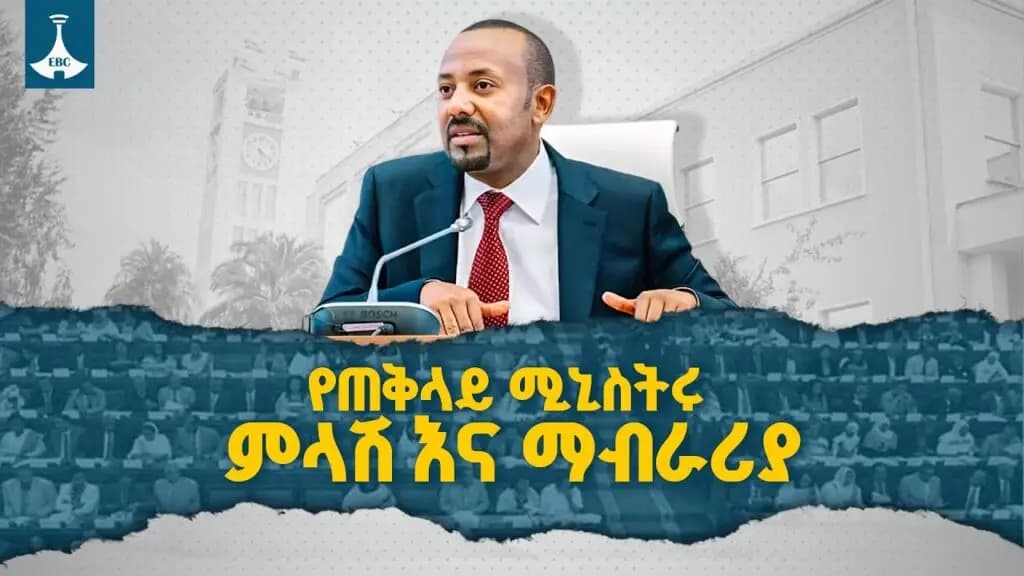
Originally published on Teshome Beyene’s blog, republished here with permission. Rhetoric and Reality: Reflections on the Premier’s Parliamentary Address
By UMD Media / Nov 4, 20250 views
Text Story
𝙏𝒊𝙜𝒓𝙖𝙮 𝑾𝙚𝒆𝙠𝒍𝙮 𝘿𝒊𝙜𝒆𝙨𝒕 | October 19– October 24, 2025
Originally published on Teshome Beyene’s blog, republished here with permission. This week, I have selected four topics of immense importance. The
By UMD Media / Oct 25, 20250 views
Text Story
𝙏𝒊𝙜𝒓𝙖𝙮 𝑾𝙚𝒆𝙠𝒍𝙮 𝘿𝒊𝙜𝒆𝙨𝒕 | October 11– October 18, 2025
Originally published on Teshome Beyene’s blog, republished here with permission. This week, I have chosen to focus on a single, prominent
By UMD Media / Oct 19, 20250 views
Discussion
Keep comments respectful and relevant. No threats, personal attacks, hate speech, spam, or private information. Comments are reviewed before publication.
Loading comments…
Checking discussion availability…