
Prominent Ethiopian economist expressed his despair following the country’s announcement of floating exchange rate
By UMD Media
Published
Last updated
2 min read
0 views
UMD Media July 29, 2024
After years of research and raising awareness about the negative consquences of floating exchange rate, and advising against it on Twitter, radio, and TV, prominent Ethiopian economist Prof. Alemayehu Geda expressed his despair following the country’s announcement of the policy shift.
The National Bank of Ethiopia has unveiled a major shift in its foreign exchange policy, moving towards a market-driven exchange rate system. This immediate change empowers both banks and non-bank foreign exchange bureaus to determine their own rates, and it opens the door for foreign portfolio investments in Ethiopia’s capital markets according to the Bank. The reform package also lifts import restrictions on 38 items, grants exporters and banks the right to hold foreign exchange, and welcomes foreign investors into the securities market. This comprehensive revamp is designed to secure funding from the International Monetary Fund and tackle currency shortages. For the Bank, these modifications are anticipated to significantly influence Ethiopia’s economy, potentially impacting inflation, external debt, and capital outflows.
Ethiopia’s State and ruling party media has been broadcasting messages of congratulations to the people of on the new reform.


Professor Geda who teaches in the Department of Economics, Addis Ababa University, argued that the advantages listed by the government in relation to the new policy would not materialize, telling Sheger FM that it is impossible to close the gap between exports and imports. He warned that a cycle of devaluation and inflation will be unleashed, impacting both consumers and the government budget. This year, only 6-7% of the budget comes from taxes, down from 15% last year, with no improvement in sight for the foreseeable future given the conflicts in different parts of the country.
In a post on X (formerly Twitter), Professor Geda highlighted a contradiction in the National Bank of Ethiopia’s statements. The Bank claimed that ending surrender requirements would allow exporters and commercial banks to retain foreign exchange, thus substantially boosting FX supplies to the private sector. However, another point stated that retention rules were improved, allowing exporters to retain 50 percent of their foreign exchange proceeds, up from 40 percent previously. Professor Geda also remarked that the reform is worse than structural adjustment programs, without providing further details.
He told Sheger FM he now hopes to be proven wrong for the benefit of the people and the country. “One can only say May God help us, nothing else can be done.”

Subscribe to UMD Media channel. Join UMD Media Telegram Channel: https://t.me/UMDMedia
See something that needs correcting? Report a correction.
More from this section
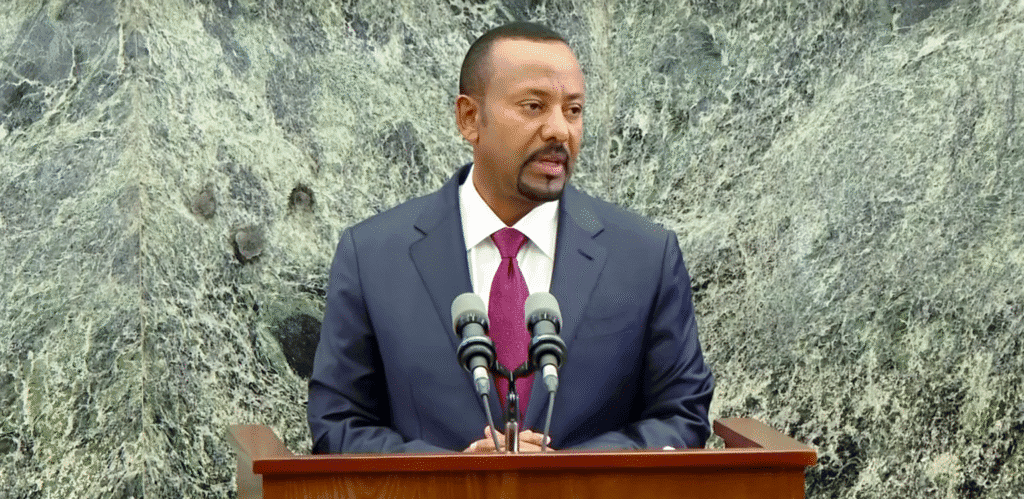
Abiy Ahmed’s Reappointment Speech: Sea Access, Constitutional Change and Regional Air Superiority Take Center Stage as Questions on War and Peace Remain
October 5, 2026 Ethiopian Prime Minister Abiy Ahmed offered few specific details about his government’s plans for the next five
By UMD Media / Oct 5, 20267 views

Multiple Overnight Drone Attacks Reported in Adwa, Shire and Sheraro; Civilian Casualties Reported
October 4, 2026 Reports emerging from Tigray indicate that multiple drone attacks struck locations in Adwa, Shire and Sheraro around
By UMD Media / Oct 5, 20264 views

Senior TPLF Central Committee and Politburo Members Including Party Secretariat Deputy Head Reportedly Break with Leadership, Remain in Mekelle and Environs
October 4, 2026 Sources who spoke with UMD Media said that a number of TPLF Central Committee members, including at
By UMD Media / Oct 4, 20266 views
Discussion
Keep comments respectful and relevant. No threats, personal attacks, hate speech, spam, or private information. Comments are reviewed before publication.
Loading comments…
Checking discussion availability…